When considering "what is the best packaging for skincare products," experts emphasize the crucial role of packaging in preserving product integrity. Dr. Emily Tran, a renowned cosmetic chemist, states, “Packaging must protect active ingredients and enhance user experience.” This highlights the need for careful selection, as effective packaging ensures that the product remains potent until the last application.
Many options exist in skincare packaging, from airless pumps to glass jars. Each choice offers unique benefits and drawbacks. For instance, glass is eco-friendly but can be fragile, while plastic is durable but may not be as sustainable. Consumers prioritize environmental concerns today. Thus, brands face pressure to choose responsibly while still attracting buyers.
Understanding the nuances in packaging choices reflects a broader commitment to quality and care. It's vital to analyze both performance and aesthetics. As the skincare industry grows, deciphering "what is the best packaging for skincare products" becomes increasingly complex. Each decision warrants reflection, as the right packaging can elevate products but also sets expectations for sustainability and safety.
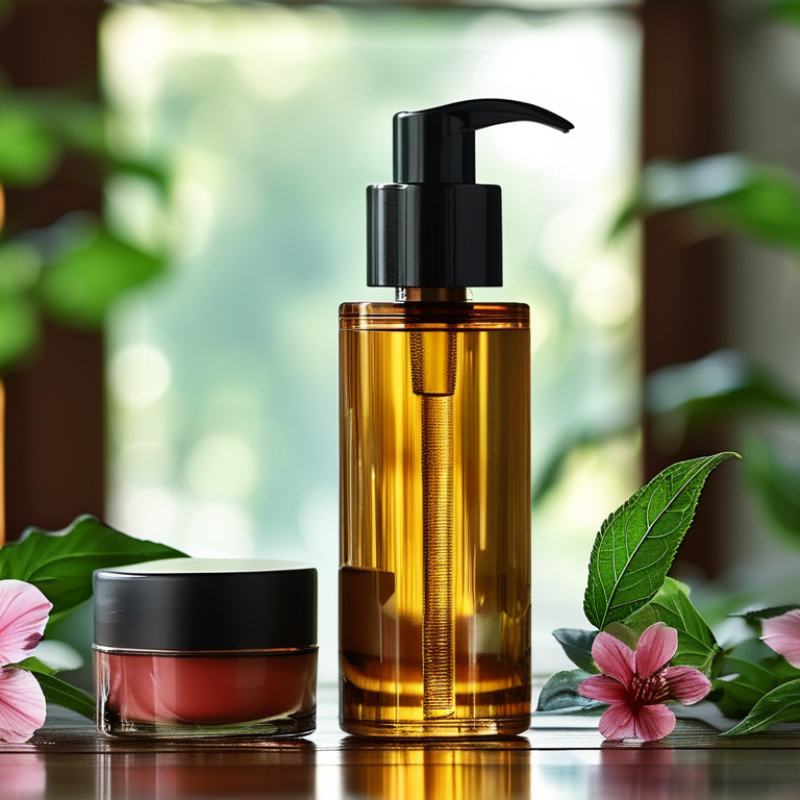
Innovative Materials in Skincare Packaging for Sustainability
In recent years, sustainability has become a key focus in skincare packaging. Innovative materials are emerging to meet this demand. Brands are turning to biodegradable plastics, made from plants. These materials break down more easily than conventional plastics, reducing landfill waste. Additionally, many are choosing glass over plastic. Glass is recyclable and often seen as a premium option.
However, the transition to sustainable materials is not without challenges. Not all biodegradable options are truly effective. Some require specific conditions to decompose fully. Brands need to assess their entire supply chain for environmental impact. The use of recycled materials offers another solution, but sourcing can be inconsistent. It’s crucial to ensure quality while prioritizing eco-friendly practices.
Furthermore, the design of packaging can impact user experience. Oversized containers may look appealing but often lead to wasted product. Minimalist designs can reduce material use, promoting efficiency. Education around sustainable choices is essential for consumers. They must understand why these materials matter. The journey toward eco-friendly packaging is ongoing and requires collaboration across the industry.
Airless Pumps: Enhancing Product Longevity and Freshness
Airless pumps are becoming a go-to choice for skincare packaging. They significantly enhance product longevity and keep formulations fresh. According to a report by Research and Markets, airless packaging can extend a product's shelf life by up to 15%. This is crucial for maintaining the efficacy of sensitive ingredients, such as vitamins and antioxidants.
These systems eliminate air exposure, reducing oxidation. Exposure can lead to the degradation of key components. A study published in the Journal of Cosmetic Science found that products using airless technology retained 90% of their active ingredients over a longer period, compared to traditional pumps. However, not all airless pump designs are equal. Some may still allow micro-contamination, which can compromise the product.
There is also a growing concern about the environmental impact of airless packaging. While they are effective, their complexity can lead to challenges in recycling. In an industry striving for sustainability, this reflects a need for continual improvement. Striking a balance between effectiveness and eco-friendliness remains a critical challenge for brands. As consumers demand better, the importance of airless pumps in skincare cannot be ignored.
Glass vs. Plastic: Pros and Cons for Skincare Containers
When considering skincare packaging, the choice between
glass and
plastic is essential.
Glass containers often provide a premium feel, enhancing the product's perceived value.
According to a recent industry report, glass is less reactive than plastic, ensuring that active ingredients remain stable over time.
Furthermore, glass is 100% recyclable, thus appealing to environmentally conscious consumers.
However, glass can be heavier, increasing shipping costs and the risk of breakage.
On the other hand, plastic containers offer distinct advantages as well.
They are lightweight and durable, making them a practical choice for brands focused on cost-effectiveness.
In a market survey, 73% of consumers indicated that they prefer plastic for its convenience.
Nevertheless, some plastics can leach chemicals, raising concerns about safety.
A 2019 study highlighted that not all plastics are created equal; low-quality options might lead to product degradation.
Brands must reflect on their packaging choices, balancing convenience and safety while considering consumer preferences.
Eco-Friendly Alternatives: Biodegradable and Recyclable Options
In the quest for sustainable skincare, eco-friendly packaging has gained traction. Many consumers now seek biodegradable and recyclable options. These alternatives not only benefit the planet but also enhance the product experience.
Using materials like plant-based plastics or recycled paper can significantly reduce waste. They break down faster than traditional plastics, lowering environmental impact.
However, not all biodegradable options perform equally. Some may have specific disposal requirements. Educating consumers on proper recycling practices is crucial. Many people are unaware that certain items aren't recyclable in all areas.
Additionally, there are concerns about the longevity of products in biodegradable packaging. An effective balance between sustainability and product efficacy must be established.
Choosing eco-friendly packaging is often more challenging than it seems. Costs can be higher, impacting pricing strategies. Yet, the push for sustainability reflects a growing consumer awareness. People want to support brands that prioritize the planet.
As the industry evolves, innovations will likely emerge that address these challenges. The journey toward truly sustainable packaging is ongoing, demanding continuous improvement and commitment.
Convenient Designs: User-Friendly Packaging Features for Skincare
When it comes to skincare packaging, user-friendly designs are essential. A well-thought-out package improves the overall experience. Many users appreciate pumps, which allow for precise dispensing. This can reduce waste and keep the product clean. Simple mechanisms like flip tops are easy to handle. They offer quick access while ensuring the contents stay secure.
Consider the benefits of travel-friendly sizes. Smaller packages are convenient for on-the-go use. They fit easily into bags and require less storage space. Clear labeling on these products aids quick selection. Think about colors and graphics. They can convey brand identity and product purpose effectively.
Tips: Incorporate textures on your packaging. Textured surfaces can provide a better grip, reducing accidental drops. Offering eco-friendly materials can resonate with conscious consumers. Reflect on the balance between aesthetics and functionality. Is your packaging just a pretty face, or does it serve the user well?
Top 10 Best Packaging Options for Skincare Products
FAQS
: Brands are increasingly using biodegradable plastics made from plants and recyclable glass.
Not all biodegradable plastics decompose fully; some need specific conditions to break down.
Glass is seen as premium, less reactive, and 100% recyclable, appealing to eco-conscious consumers.
Glass is heavier, which can raise shipping costs and risks of breakage.
Plastic is lightweight and durable, making it convenient for everyday use.
Some plastics can leach chemicals and may lead to product degradation.
Oversized containers can lead to wasted product, while minimalist designs promote efficiency.
Consumers must understand the impact of sustainable choices to make informed decisions.
Brands must balance convenience, safety, and consumer preferences while promoting eco-friendly practices.
No, it requires reflection and collaboration across the industry, facing various challenges.
Conclusion
The article "Top 10 Best Packaging Options for Skincare Products" explores various packaging innovations aimed at enhancing sustainability and product reliability. It discusses the shift toward innovative materials that prioritize eco-friendliness, such as biodegradable and recyclable options that can minimize environmental impact. Additionally, the article analyzes the effectiveness of airless pumps, which help maintain product freshness and extend shelf life, alongside a comparison of glass versus plastic containers, weighing their respective benefits and drawbacks.
Furthermore, the article emphasizes the importance of user-friendly designs that improve convenience for consumers. Ultimately, it answers the pressing question of what is the best packaging for skincare products by highlighting the need for sustainable, practical, and effective solutions that cater to both environmental concerns and consumer preferences.

 Boxo Beauty