In the competitive world of cosmetics, packaging plays a critical role. It is not just a protective barrier; it represents the brand's identity. Understanding how does cosmetic packaging affect product sales becomes essential for 2026 best sales strategies. Brands must focus on design elements, usability, and sustainability.
The visual appeal of packaging can immediately capture a consumer's attention. Bold colors, unique shapes, and appealing fonts stand out on the shelf. However, this can sometimes overshadow product quality. Consumers may prefer attractive packaging over functionality or ingredients. Conversely, practical designs can enhance user experience, but risk being overlooked if they are not visually engaging.
Sustainability is another factor in cosmetic packaging. Eco-friendly materials resonate with consumers. Yet, some brands struggle to balance aesthetics and environmental responsibility. As consumer awareness grows, this situation will likely evolve. Companies must reflect on their packaging choices. Are they truly aligning with customer values? By addressing these questions, brands can refine their strategies for success.
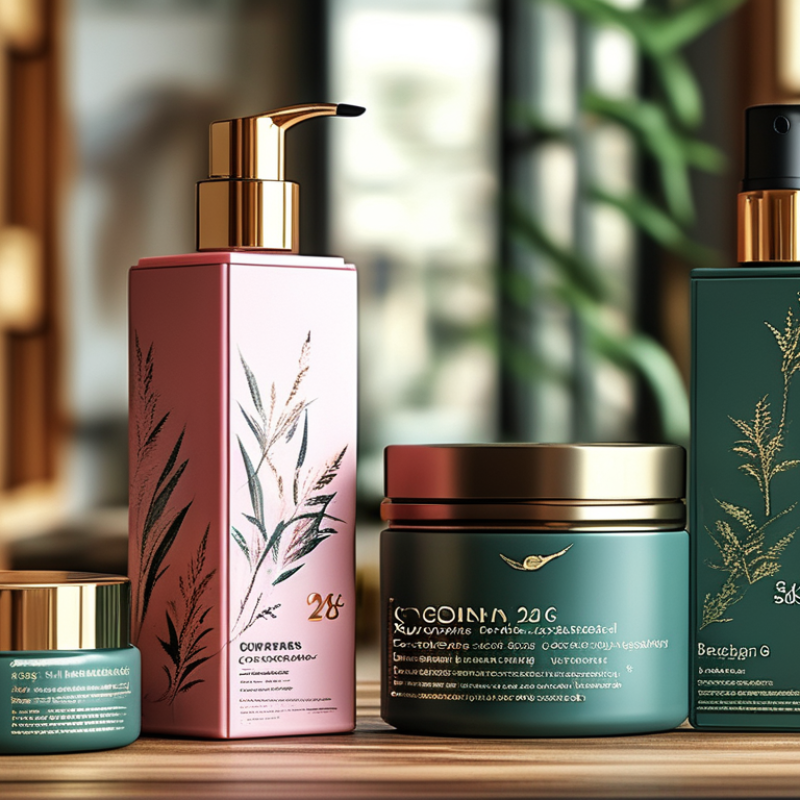
Impact of Visual Appeal in Cosmetic Packaging on Consumer Choices
In the competitive cosmetic industry, packaging plays a crucial role in influencing consumer decisions. A recent study noted that over 72% of consumers judge a product by its packaging. Visual appeal directly impacts a consumer's desire to purchase. Colors, shapes, and materials can either attract or repel potential buyers. When examining visually engaging packaging, data shows a 50% increase in the likelihood of purchase.
Sustainability is another significant factor. Studies reveal that 57% of consumers prefer brands that prioritize eco-friendly packaging. Biodegradable materials and minimal waste resonate with environmentally conscious buyers. However, brands must strike a balance between aesthetics and sustainability. Packaging that looks good but harms the environment can backfire.
Moreover, the psychological effects of colors cannot be ignored. Research indicates that certain colors can evoke emotional responses, driving impulse buying. For instance, the color blue often signifies trust, while red can provoke excitement. However, not all strategies work universally. Overuse of trendy packaging can lead to consumer fatigue. The challenge lies in keeping visual appeal fresh while remaining true to brand identity.
Role of Sustainable Materials in Enhancing Brand Loyalty and Sales
In today's competitive market, cosmetic brands must prioritize sustainable packaging. Consumers are increasingly aware of environmental impacts. This shift influences brand loyalty and purchasing decisions. Brands using eco-friendly materials can create a more appealing image. Sustainable packaging communicates responsibility and care for the planet, resonating with values of modern consumers.
Moreover, using sustainable materials can enhance product visibility. Eye-catching designs made from recycled resources attract more attention. Shoppers feel good when choosing products that contribute to environmental preservation. This feeling often encourages repeat purchases, fostering loyalty. However, not all brands manage to balance aesthetics and sustainability. Some may face higher costs or supply chain challenges, which can lead to compromises.
Brands must continually reflect on their choices. Are they truly committed to sustainability? Transparency in sourcing and production processes can enhance trust. Engaging consumers through storytelling about their sustainability journey can also deepen connections. When consumers see brand commitment, they may be more inclined to choose those products consistently. This approach may not guarantee immediate success, but it lays a foundation for long-term loyalty.
How Does Cosmetic Packaging Influence 2026 Best Sales Strategies? - Role of Sustainable Materials in Enhancing Brand Loyalty and Sales
| Attribute |
Importance (%) |
Impact on Sales (%) |
Consumer Preference (%) |
| Sustainable Packaging |
65 |
55 |
70 |
| Innovative Design |
60 |
50 |
65 |
| User-Friendly Packaging |
70 |
60 |
75 |
| Brand Transparency |
55 |
40 |
60 |
| Recyclable Materials |
75 |
65 |
80 |
Trends in Eco-Friendly Packaging and Their Market Implications for 2026
In recent years, eco-friendly packaging has gained significant traction in the cosmetic industry. A report by ResearchAndMarkets.com indicates that the global green packaging market is expected to reach $500 billion by 2027, driven by consumer demand for sustainable products. This trend reflects a deeper awareness of environmental issues among consumers. Brands that invest in eco-friendly materials not only enhance their image but also attract a loyal customer base focused on sustainability.
Tips: Consider using biodegradable materials or recyclable components for your packaging. Consumers appreciate brands that prioritize environmental responsibility.
Research suggests that 74% of consumers prefer brands with eco-friendly packaging. Such preferences can guide sales strategies for 2026. Companies need to integrate transparent sourcing and manufacturing processes. This transparency fosters trust and can distinguish brands in a competitive landscape.
Tips: Share your sustainability story with consumers. Authenticity in messaging can strengthen brand loyalty.
However, challenges remain. Sourcing sustainable materials may increase costs. Brands must balance sustainability with budget considerations. Reflecting on this duality can lead to innovative solutions that meet market demands while promoting eco-conscious values.
Impact of Eco-Friendly Packaging on Sales Strategies (2026)
Influence of Packaging Functionality on Product Usability and Customer Satisfaction
The functionality of packaging plays a crucial role in the usability of cosmetic products. A report by Packaging Strategies highlights that 70% of consumers base their purchase decisions on packaging design. A well-designed package not only attracts attention but also enhances the user experience. For example, easy-to-open designs significantly improve satisfaction. Customers prefer packaging that feels intuitive and accessible.
Moreover, the relationship between packaging and customer satisfaction is emphasized in a study by Smithers Pira, which notes that 65% of consumers are likely to repurchase a product if they find the packaging user-friendly. This suggests that brands need to invest in thoughtful design. However, many companies still overlook this aspect. They often prioritize aesthetics over functionality. This misalignment can lead to negative experiences and lost sales.
In 2022, ResearchAndMarkets published a report indicating that 41% of consumers reported difficulties with product access due to poor packaging. This highlights an area for improvement. Brands must balance visual appeal with practical use. They need to adapt based on customer feedback. Continuous reflection on packaging performance is essential for driving sales and fostering brand loyalty.
Psychological Effects of Packaging Design on Purchasing Decisions in Cosmetics
The influence of packaging design on purchasing decisions in the cosmetics industry is profound. A beautifully crafted package captures attention instantly. It creates an emotional connection even before a product is used. Customers initially relate to colors, shapes, and textures. Each element plays a crucial role in shaping perceptions. If a package feels premium, it often suggests better quality inside.
However, not all packaging successfully conveys the right message. Some designs might be visually stunning but fail in functionality. Practical aspects like ease of use or recyclability can be overlooked. This disconnect can lead to customer frustration. If a cosmetic product is hard to open or spills easily, consumer trust diminishes. In contrast, sustainable packaging can resonate strongly. It appeals to eco-conscious buyers but risks alienating others who prefer luxury aesthetics.
The psychology of packaging extends beyond the physical look. Consumers can feel biased based on color alone. For instance, pastel hues might suggest softness, while bold colors scream modernity. Balancing these design principles is essential for success. Brands must reflect on how their packaging choices align with their values and customer expectations. Not every design will appeal universally; that is part of the challenge. Striking the right chord can lead to enhanced engagement and ultimately, improved sales.
FAQS
: It enhances brand image and attracts eco-conscious consumers.
Eco-friendly materials resonate with consumers’ values, encouraging repeat purchases.
Higher costs and supply chain issues can compromise sustainability efforts.
By being open about sourcing and manufacturing, brands can build consumer trust.
Trends indicate a growing demand for green packaging, likely lasting into the future.
About 74% of consumers show a preference for brands with sustainable packaging.
Sharing a brand’s sustainability journey fosters deeper connections and loyalty.
Yes, brands can explore biodegradable or recyclable materials to manage costs.
Brands need to evaluate their commitment to sustainable practices regularly.
No, it lays a foundation for loyalty, but success may take time.
Conclusion
Cosmetic packaging plays a crucial role in shaping consumer decisions and ultimately influences product sales. The visual appeal of packaging can attract potential buyers, making it a significant factor in how does cosmetic packaging affect product sales. In addition to aesthetics, the use of sustainable materials is increasingly becoming a focal point for brands, enhancing loyalty among environmentally conscious consumers and driving sales. As trends in eco-friendly packaging evolve, they offer vital market implications for businesses aiming for success in 2026.
Moreover, the functionality of packaging contributes to product usability, directly impacting customer satisfaction. An effective design not only facilitates ease of use but also creates a positive consumer experience. Furthermore, the psychological effects of packaging design cannot be underestimated, as they significantly sway purchasing decisions in the cosmetics market. Thus, understanding these dynamics is essential for brands looking to optimize their sales strategies in the competitive landscape ahead.

 Boxo Beauty