In the vibrant Chinese market, luxury cosmetic packaging plays a crucial role. What makes luxury cosmetic packaging different is not just its aesthetic appeal; it's a blend of culture, quality, and innovation. The packaging must resonate with consumers, reflecting their values and aspirations. High-quality materials and unique designs are vital components that create an emotional connection.
Chinese consumers appreciate the intricacies of luxury packaging. Trends shift rapidly, demanding brands to stay ahead. Intricate closures, elegant textures, and even advanced sustainable materials are becoming key elements. Brands must consider local preferences and cultural symbols to stand out. Authenticity is essential; consumers are keenly aware of imitation products.
However, brands often face challenges in this dynamic landscape. Maintaining quality while innovating can be tricky. There is a delicate balance between trend and tradition. As the market evolves, brands must reflect on their packaging strategies. By prioritizing genuine connections and continuous adaptation, they can create packaging that truly resonates.
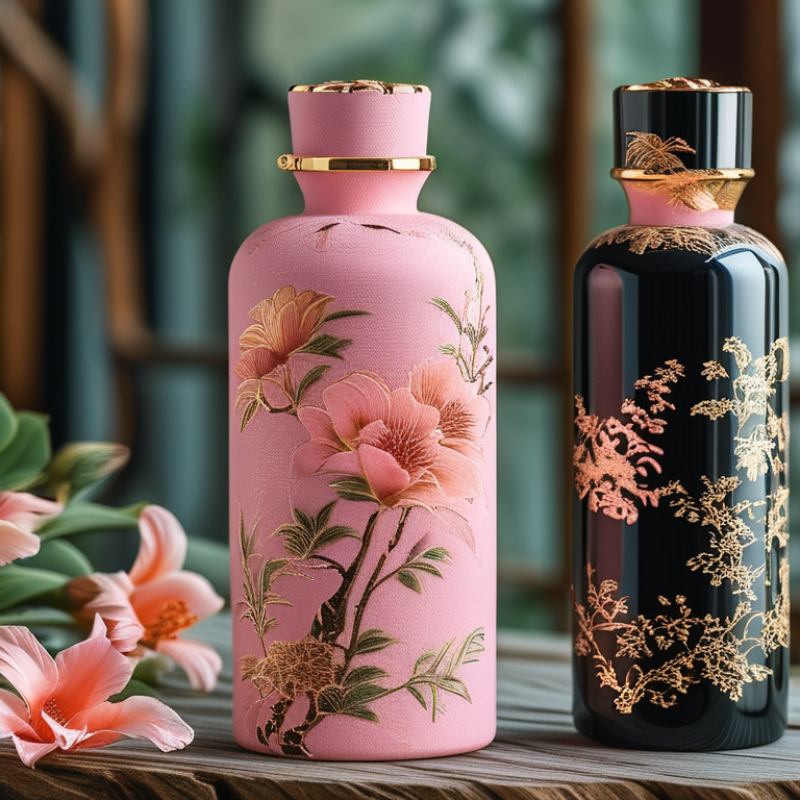
Aesthetic appeal plays a crucial role in luxury cosmetic packaging in China. Consumers are drawn to visually striking designs that evoke emotions and create a sense of exclusivity. Materials like glass and high-quality plastics add a touch of sophistication that attracts attention. Unique shapes and vibrant colors can make a product unforgettable. However, luxury does not solely come from looks.
Packaging must also tell a story. The details—like texture, finishes, and even the weight of the product—impact the overall experience. Consumers often crave packaging that feels premium in their hands. Brands need to balance aesthetics with functionality. While eye-catching designs can attract customers, if the packaging fails to protect the product, it diminishes the luxury experience.
Sustainability is an emerging concern. Many luxury consumers appreciate eco-friendly materials. Brands face the challenge of incorporating aesthetics without compromising on environmental responsibility. It’s a delicate balance. Reflecting on these elements can provide valuable insights for brands aiming to thrive in the competitive Chinese market. A deeper understanding of customers' emotional connection to packaging is essential for success.
In China, luxury cosmetic packaging is deeply influenced by cultural values. The interplay between tradition and modernity shapes what consumers find appealing. For instance, colors like red and gold are symbols of good fortune, often incorporated into packaging designs. This preference stems from cultural practices that honor auspiciousness.
Material choice is also significant. Many high-end brands opt for eco-friendly materials to resonate with the growing awareness of sustainability. However, some brands struggle to balance luxury aesthetics with eco-consciousness. Heavy, extravagant packaging might attract initial interest but can lead to criticism for environmental impacts. This duality creates a complex landscape in which brands must navigate consumer expectations carefully.
The aesthetics of packaging should evoke a sense of heritage. Traditional motifs and patterns often tell a story, connecting consumers to their roots. Yet, there is a risk of misrepresenting cultural symbols. Brands must ensure they respect and accurately portray cultural elements. Otherwise, they may face backlash from discerning consumers who prioritize authenticity.
In China, high-end cosmetic packaging is rapidly evolving, driven by innovative materials and technologies. The global luxury packaging market was valued at approximately $24 billion in 2020. This figure is projected to grow by over 5% annually. This growth is especially strong in the cosmetic sector.
Sustainable materials are now at the forefront. Eco-friendly practices are gaining traction among consumers. For instance, biodegradable plastics and glass are preferred. A recent report indicates that 50% of young consumers in China prefer brands using sustainable solutions. Meanwhile, innovative technologies like smart packaging are emerging. These involve QR codes and augmented reality for enhanced customer engagement. Such technologies offer a unique experience, making packaging more than just a container.
However, there are challenges to consider. Many brands rush to adopt new materials without sufficient research. This can lead to issues like increased production costs and inconsistent quality. As the industry matures, balancing innovation with reliability will be crucial. The quest for distinctive, luxurious packaging continues to evolve, yet brands must reflect on their impact and responsibilities.
In the realm of luxury cosmetics, packaging plays a crucial role. It goes beyond mere aesthetics. The right materials and design convey a brand’s identity. High-quality glass, intricate detailing, and unique shapes attract consumers. These elements evoke a sense of exclusivity. Engaging textures and finishes deepen the tactile experience. However, not all brands achieve this balance. Some overlook the importance of sustainable packaging. This approach may alienate eco-conscious consumers.
Effective branding strategies can amplify luxury perception. Storytelling is vital. Narratives about the product's origin or ingredients can create emotional connections. Collaborations with artists or designers can enrich the brand’s image. Color schemes should align with the luxury ethos. Soft pastels or deep jewel tones often resonate well. However, over-designing can backfire. If consumers perceive a product as trying too hard, the luxury feel diminishes.
Finally, transparency can build trust. Sharing details about sourcing and production adds credibility. Some brands fail to communicate their values clearly. This can raise doubts among consumers. Authenticity is essential in luxury markets. Brands must not only look luxurious but also embody it in their practices. Without this, the illusion of luxury can easily fade.
Sustainability is reshaping the luxury cosmetic packaging sector in China. Increasing consumer awareness drives brands to adopt eco-friendly materials. Biodegradable options and recycled materials are becoming the norm, replacing plastic that harms the environment. This shift is not just a trend; it reflects a deeper commitment to sustainability.
Chinese consumers are more inclined to support brands that prioritize green practices. However, the challenge remains. Many brands struggle to balance sustainability with aesthetics. How can they create visually appealing designs without compromising ecological integrity? Some companies experiment with innovative materials but often face production limitations.
There is also a growing emphasis on transparency. Customers want to know where materials come from. Brands must provide clear information about their packaging’s sustainability. This transparency builds trust, but it also exposes shortcomings. Many brands may not fully understand their supply chains. Overall, the journey toward sustainable luxury packaging in China is ongoing, rife with opportunities and obstacles.
| Aspect | Data Point |
|---|---|
| Percentage of Eco-friendly Materials Used | 65% |
| Consumer Preference for Recyclable Packaging | 72% |
| Increase in Sales for Sustainable Brands (Year-on-Year) | 20% |
| Luxury Brands Offering Refillable Options | 40% |
| Rise of Biodegradable Packaging Launches | 30% |
| Awareness of Sustainable Practices Among Consumers | 85% |
| Investment in Sustainable Packaging Innovation | $200 Million |
: Aesthetic appeal attracts consumers through striking designs and evokes emotions, enhancing the luxury experience.
High-quality materials like glass and sophisticated plastics enhance the perception of luxury.
Packaging details, such as texture and weight, contribute to the overall consumer experience and storytelling.
Consumers increasingly prefer eco-friendly materials, creating a challenge for brands to balance aesthetics and environmental responsibility.
Technologies like QR codes and augmented reality enhance customer engagement and create a unique experience.
Rushing to adopt innovative materials can lead to increased costs and inconsistent quality, impacting brand reliability.
Sharing narratives about product origins or ingredients fosters emotional connections and strengthens brand identity.
Color schemes like soft pastels or deep jewel tones align with luxury aesthetics and attract consumers.
Clear communication about sourcing and production can build trust, while lack of transparency may raise doubts.
Overly complex designs can make products seem inauthentic, diminishing the perceived luxury.
The article explores what makes luxury cosmetic packaging different in China, highlighting the crucial role of aesthetic appeal. The visual attractiveness of packaging is essential for attracting discerning consumers in a market that values elegance and sophistication. Additionally, cultural influences play a significant role in shaping preferences, as traditional aesthetics and modern trends intertwine to define luxury.
Innovative materials and technologies are also transforming high-end cosmetic packaging, allowing brands to create unique and memorable experiences for consumers. Effective branding strategies enhance the perception of luxury, ensuring that packaging aligns with the overall brand narrative. Lastly, the article discusses the rising importance of sustainability trends, as consumers increasingly seek eco-friendly options in luxury cosmetics. This shift reflects a broader change in consumer attitudes towards environmental responsibility in the luxury market.

Boxo Beauty