In the competitive world of luxury goods, brands strive to stand out. One crucial aspect often overlooked is packaging. "Why do premium brands use custom packaging?" This question leads us to the intersection of branding and consumer experience. Premium brands understand that packaging is not just a container; it’s a critical touchpoint. It evokes emotions and communicates brand values.
Many high-end brands choose custom packaging to enhance the unboxing experience. A beautifully designed package can create anticipation and excitement. This not only attracts consumers but also reinforces brand identity. However, the challenge lies in balancing aesthetics with functionality. Unsuccessful designs can lead to negative impressions. Brands must reflect on their choices and their impact on customer perception.
Moreover, sustainable packaging is rising in importance. Luxury brands are now more aware of their environmental footprint. They seek eco-friendly materials that align with their values. Still, finding the right balance between luxury and sustainability can be a struggle. In a rapidly changing market, premium brands must adapt and innovate. Custom packaging solutions offer a way to elevate their products while addressing these evolving consumer expectations.
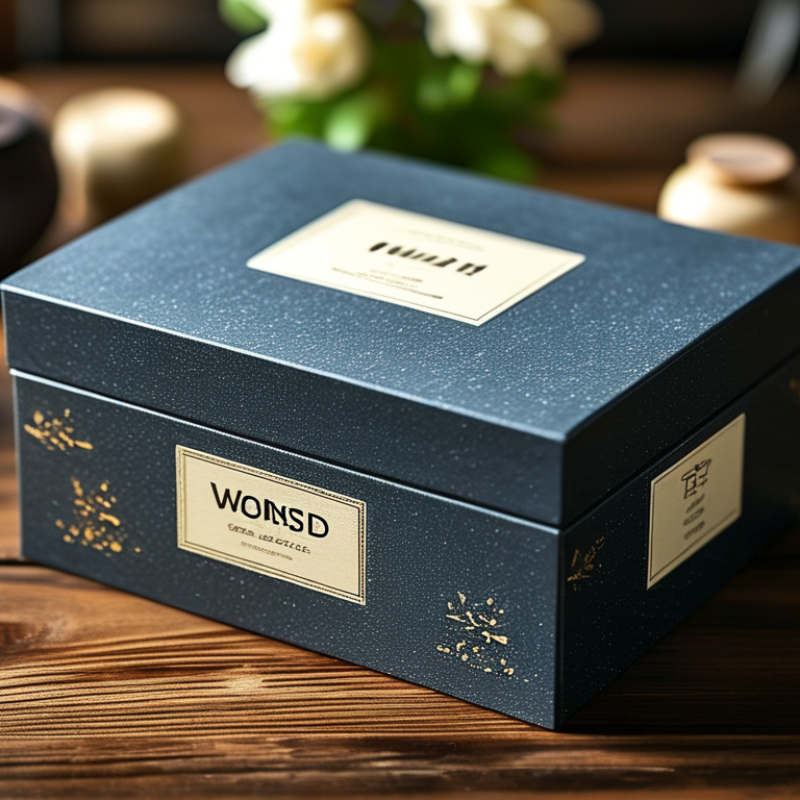
Packaging plays a crucial role in establishing a premium brand identity. For luxury brands, the packaging must convey quality and exclusivity. Custom packaging solutions help reflect the brand’s values. It can elevate the unboxing experience. This sense of anticipation leads to a stronger emotional connection with consumers.
The materials used inform the brand story. High-quality, sustainable materials can signal a commitment to excellence and environmental awareness. Unique designs and finishes catch the eye. They speak to the craftsmanship involved. However, brands can sometimes overthink their packaging. It may result in designs that are visually striking but impractical. Striking a balance is key.
Every detail counts. From the tactile feel of the box to the color palette, everything matters. Packaging not only protects the product but also enhances its perceived value. Brands that overlook this may miss the chance to create an impactful impression. Premium packaging requires ongoing reflection and adaptation to ensure it resonates with consumers.
Custom packaging solutions offer distinct advantages for premium brands. These solutions are designed to reflect the brand's identity and values. By using unique materials and designs, brands can create a memorable unboxing experience. This extra touch engages customers on a deeper level and enhances loyalty.
One key benefit is protection. Customized packaging ensures that products arrive in perfect condition. Brands can tailor the size and shape to fit their items securely, reducing damage during transportation. This not only saves costs but also boosts customer satisfaction. Additionally, well-designed packaging can improve shelf appeal, attracting more attention in a crowded market.
However, one challenge lies in sustainability. Many consumers are eco-conscious and prefer brands that minimize waste. Premium brands must find a balance between attractive packaging and eco-friendly practices. This requires ongoing reassessment of sourcing materials and production processes. Constantly innovating while staying true to environmental commitments can be daunting. Still, those who succeed in this journey often strengthen their market position and build trust among their customers.
Custom packaging plays a crucial role in enhancing consumer experience and satisfaction. It captivates customers from the moment they see the package. A well-designed box or bag creates excitement and anticipation. These emotions can influence their perception of the brand. Color, texture, and shape all contribute to the unboxing experience. Many consumers share this moment on social media, amplifying the brand's reach.
The functionality of custom packaging is just as important. It often protects delicate items and ensures they arrive in perfect condition. However, there can be flaws in design. A beautiful box might not be practical. If it leaks or breaks easily, it fails its purpose. Brands must strike a balance between aesthetics and practicality to avoid disappointing customers.
Sustainability is another critical consideration. Eco-friendly materials resonate with consumers today. Brands that prioritize sustainability can attract eco-conscious shoppers. Yet, cost can be a barrier. Custom packaging can be expensive, and some brands might hesitate to invest. They need to weigh the benefits against potential costs carefully. Ultimately, custom packaging should create a memorable experience while aligning with consumer values.
Custom packaging solutions play a crucial role in enhancing the consumer experience and satisfaction. The chart above illustrates the significance of various aspects that premium brands consider when opting for custom packaging. Key factors include brand identity, consumer engagement, sustainability, product protection, and the unboxing experience, each impacting customer perception and loyalty.
Custom packaging has emerged as a crucial element for premium brands seeking to establish a sustainable identity. As consumer awareness grows, brands are increasingly compelled to minimize their environmental impact. Many of these companies are integrating eco-friendly materials into their packaging. Biodegradable plastics and recycled paper are becoming more common. This shift reflects a deeper commitment to sustainability. It also enhances customer loyalty.
Yet, the transition to sustainable packaging is not without challenges. Sourcing high-quality, eco-friendly materials can be expensive. Additionally, brands must balance aesthetics with functionality. Elegant designs are essential for premium brands, but they should not overshadow environmental considerations. Some companies still struggle to find the right materials that meet both visual appeal and sustainability goals.
Moreover, brands face pressure to communicate their sustainability efforts effectively. Transparency is paramount in today’s market. Consumers want to know how products are made and packaged. Some brands lack clear messaging around their sustainable practices. This can lead to skepticism among consumers. As premium brands navigate these complexities, they must remain authentic. The journey towards sustainable custom packaging is ongoing, requiring reflection and adaptation.
Custom packaging has emerged as a pivotal strategy for premium brands. Successful case studies reveal that personalized packaging not only enhances the product's visual appeal but also communicates brand values. For instance, a luxury skincare brand utilized eco-friendly materials, reinforcing its commitment to sustainability. This choice resonated with their target customers, leading to increased loyalty.
Effective custom packaging often incorporates unique textures and colors that represent the brand's identity. One high-end watchmaker crafted a box that mirrored the watch design, creating a cohesive unboxing experience. Customers appreciate the attention to detail, making them feel valued. Yet, executing custom solutions can present challenges. Some brands struggle with costs and logistics, which can lead to inconsistencies in supply.
When considering packaging options, keep these points in mind. Strive for authenticity. It is essential that your packaging aligns with your brand story. Reflect on your materials and design choices to ensure they resonate with your audience. Always stay open to feedback; it helps refine your approach. Remember, custom packaging should evoke emotion and connection, not just serve a functional purpose.
: Packaging conveys quality and exclusivity, establishing a strong brand image that resonates with consumers.
Custom packaging creates excitement and anticipation, influencing how customers perceive the brand.
High-quality, sustainable materials signal commitment to excellence and environmental awareness.
Yes, beautiful designs may be impractical. A balance between aesthetics and functionality is crucial.
Eco-friendly materials attract shoppers, but cost can be a barrier. Weigh benefits against expenses.
Every element, from texture to color, impacts the unboxing experience and perceived product value.
Personalized packaging reflects brand identity and engages customers, fostering loyalty and connection.
Costs and logistics can create inconsistencies, presenting challenges in executing effective packaging solutions.
Yes, feedback helps refine packaging strategies. Brands must stay open to improvements for better alignment.
Well-designed packaging can captivate customers, encouraging them to share their unboxing experiences online.
Premium brands recognize the pivotal role of packaging in establishing and reinforcing their brand identity. This article explores **why premium brands use custom packaging**, highlighting how tailored solutions convey quality and exclusivity. Custom packaging not only enhances aesthetic appeal but also serves functional purposes, ensuring product protection and ease of use. By focusing on unique designs, these brands can create memorable experiences that resonate with consumers, ultimately leading to increased satisfaction and loyalty.
Additionally, sustainability trends are shaping the landscape of custom packaging, with many premium brands adopting eco-friendly materials and practices. This shift not only meets consumer demand for responsible sourcing but also strengthens brand reputation. Through various case studies, the article illustrates how successful custom packaging strategies have transformed brand perception and driven market success, underscoring the essential nature of innovative packaging in the premium segment.

Boxo Beauty