The global packaging industry is undergoing a seismic shift. As the circular economy transitions from a conceptual framework to a mandatory regulatory requirement, refillable and reusable container systems have emerged as the gold standard for sustainable growth. In 2024, the demand for refillable cosmetic containers and high-performance industrial refill systems has grown by over 18% annually, driven by stringent legislative actions like the EU's Packaging and Packaging Waste Regulation (PPWR) and the California Plastic Pollution Prevention Act (SB 54).
For B2B stakeholders—ranging from luxury beauty brands to heavy chemical manufacturers—the transition to OEM/ODM refillable solutions is no longer just about Corporate Social Responsibility (CSR); it is a strategic maneuver to de-risk supply chains and capture the "Conscious Consumer" demographic. Manufacturers are now prioritizing "Design for Disassembly," ensuring that components like pumps, inner liners, and outer shells can be easily separated for recycling or sterilization.
Integration of NFC and QR codes to track refill cycles and reward consumer loyalty, bridging the gap between physical packaging and digital ecosystems.
Utilization of high-durability PCR (Post-Consumer Recycled) plastics and bio-based resins that withstand multiple sterilization cycles without degradation.
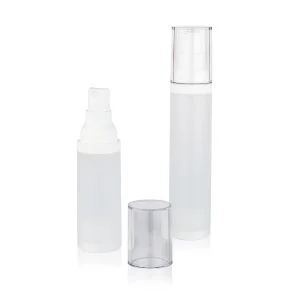
Moving towards 100% PP or PE constructions for airless pumps and tubes to simplify the waste stream and maximize recyclability rates.
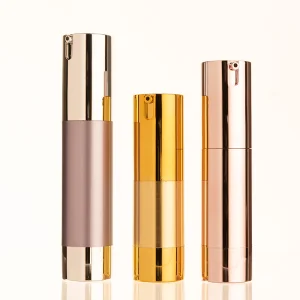
The future of refillable containers lies in the "Refill-at-Home" and "Refill-in-Store" dual tracks. Technical roadmaps currently focus on increasing the "Refill Factor"—the number of times a container can be reused without loss of aesthetic or functional integrity. Innovations in vacuum-sealed liners and piston-driven airless systems ensure that active ingredients in skincare and pharmaceuticals remain potent through multiple use cycles.
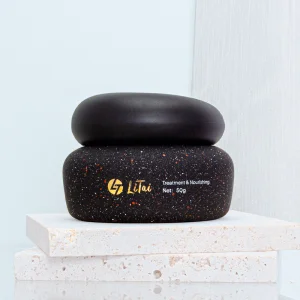
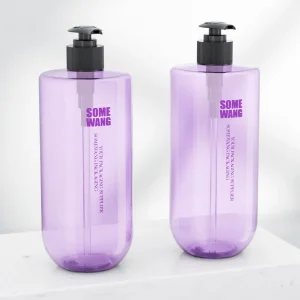
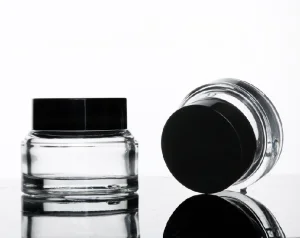
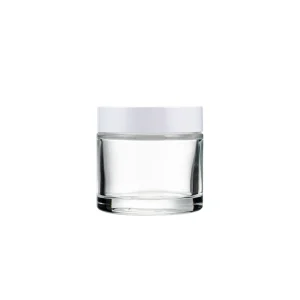
Different markets require nuanced approaches to refillable systems. In North America and Europe, the focus is on premium, luxury refillable jars where the outer shell is a "keep-sake" piece made of heavy-wall glass or aluminum, while the inner pod is lightweight and recyclable. Conversely, in Southeast Asian markets, the trend leans toward high-volume FMCG (Fast-Moving Consumer Goods) stations where 1000ml PET containers serve as bulk storage for localized "filling kiosks."
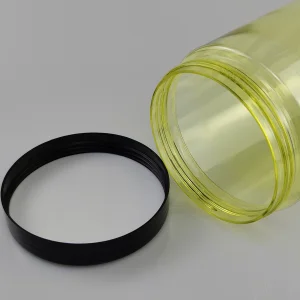
In the industrial sector, particularly in North American agricultural and chemical logistics, the shift is toward reusable, heavy-duty HDPE containers equipped with high-precision dispensing pumps, reducing the environmental footprint of bulk transport while maintaining strict safety standards.
Shanghai Boxo Beauty Co., Ltd. is a leading China Cosmetic Packaging Manufacturer, specializing in innovative and high-quality packaging solutions for the global beauty and personal care industry. With extensive experience in cosmetic packaging design, development, and production, the company provides comprehensive packaging solutions for skincare, makeup, fragrance, and personal care brands worldwide.
Our product portfolio includes cosmetic bottles, jars, tubes, airless packaging, droppers, roll-on containers, compact cases, pump dispensers, and customized packaging systems designed to meet the evolving needs of modern beauty brands. We offer a wide range of materials, including glass, PET, PP, acrylic, aluminum, and eco-friendly alternatives, ensuring flexibility for different product categories and brand positioning strategies.
Sustainability is an important part of our business philosophy. We continuously invest in environmentally responsible packaging solutions, including recyclable materials, refillable packaging systems, and lightweight designs that help brands reduce their environmental footprint while maintaining premium product appeal.
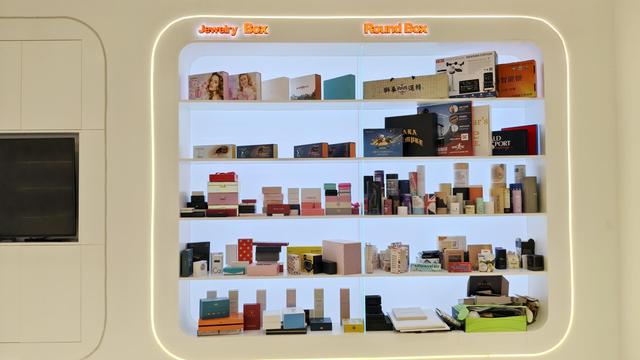
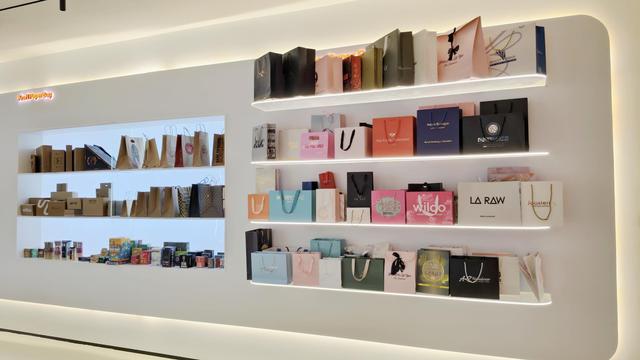
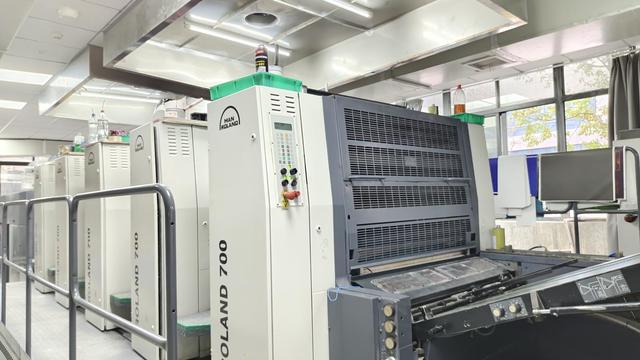
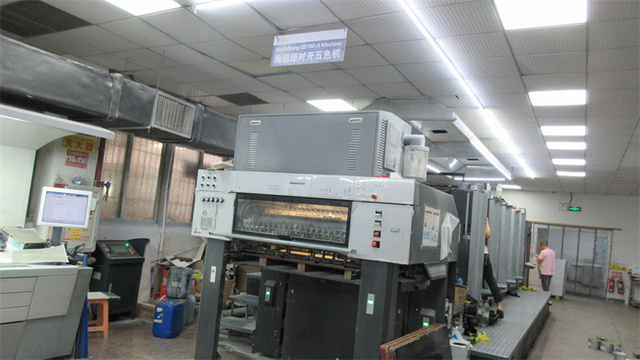
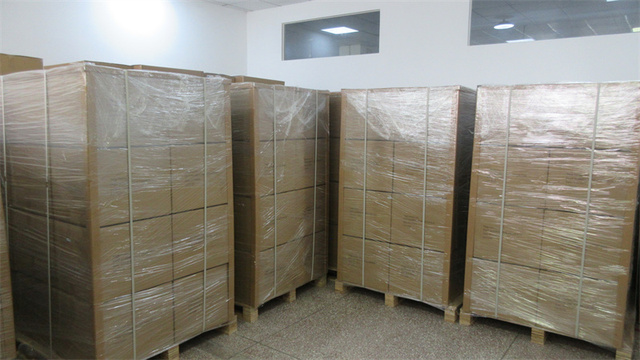
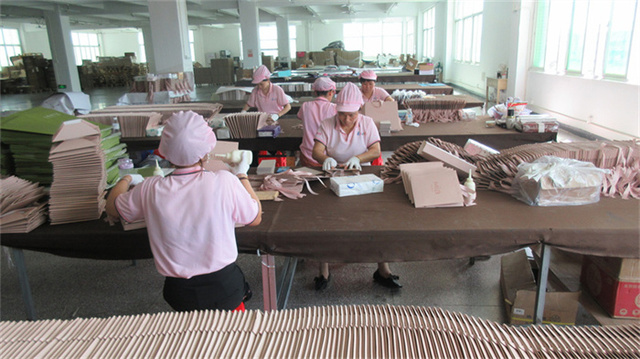
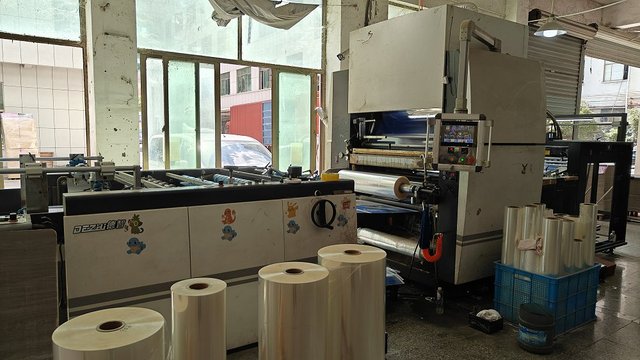
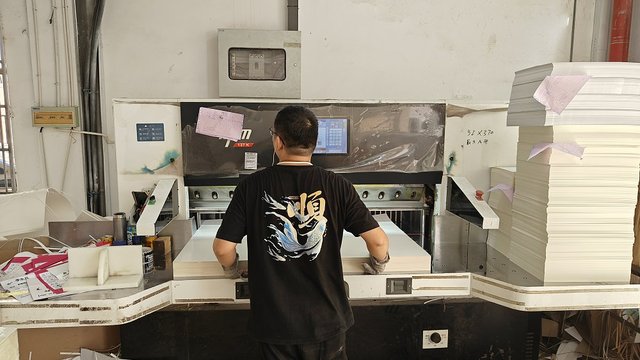
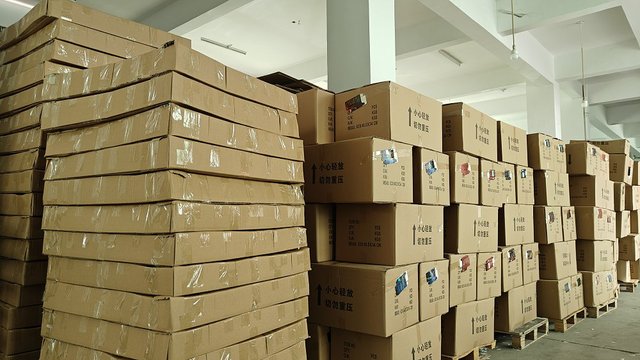
We provide more than just containers; we provide a closed-loop ecosystem. Our OEM/ODM services include Lifecycle Assessment (LCA) consulting to help brands quantify their carbon savings when switching to refillable models. By integrating Supply Chain 4.0 principles—using real-time data to optimize manufacturing runs—we ensure that our partners can scale their sustainable initiatives without compromising on lead times or cost-efficiency.
Our macro solution covers the entire value chain: 1. Design Concept (Brand identity & Ergonomics); 2. Material Selection (PCR vs Virgin vs Bio-poly); 3. Engineering (Precision tooling for leak-proof refills); 4. Global Logistics (Minimized packaging weight to reduce shipping emissions).
 Boxo Beauty